“Happily ever after” is the ending most couples dream of on the day of their engagement and wedding. But for the newlyweds and engaged couples featured in Happily Never After, the fairy tale ends in murder.
Each episode of the show outlines the background on the couple’s relationship and pre-marriage bliss and follows the murder investigation from start to finish. But the presentation is choppy: Instead of following events in chronological order, episodes jump back and forth between the investigation and the couple’s life before the murder.
The addition of commentary and analysis by psychologist Wendy Walsh—which is often old-fashioned and rarely offers any real insight—also makes the show a bit irritating. However, its saving grace is the excellent narration by Marlo Thomas, who tells the story with the delivery of a polished actress, elevating what might have been a true-crime dud.
Basements can be scary places. Dark. Silent. Creepy. Imagine finding a body in one. Imagine the horror that would accompany it. A Body in the Basement focuses on those types of murder cases.
In some episodes, bodies were found years after the killer moved to a different house, discovered during a renovation by new owners. In others, what looked like an accident in a basement turned out to be murder. There are basement dungeons, basement freezers, bodies hidden from the police by a perpetrator who still lives in the house and tried to hide the body from investigators, and more.
The show is similar to Buried in the Backyard, with some overlap of cases, so if you liked that series, give A Body in the Basement a look.
Diabolical. Calculating. Cold. These are the perpetrators in A Plan to Kill, which features cases of premeditated murders.
Each episode describes the investigation of the murder and the details of the perpetrator’s planning. In some, detectives find written notes made that plot out the homicides. Other murders were planned months or years in advance, illustrating just how calculating these murderers were.
Throw in some police interviews, stories by victims’ loved ones, and re-creations, and you’ve got yourself a typical true crime show, except this one focuses on the most devious of murderers. When people say “something more sinister,” they’re talking about this.
Forensics junkie? Fan of Forensic Files? You should check out Forensic Factor. It covers many of the same cases as Forensic Files, but has longer episodes (about 45 minutes). The show focuses on cases solved using a variety of forensic techniques, from DNA and fingerprints, to bite mark analysis and forensic botany, even ear print identification.
The first season concentrates on techniques like forensic profiling, weapons analysis, and analysis of audio and video footage, rather than cases. From there, seasons focus on one or more cases per episode. There’s also an update to the show with Forensic Factor: A New Era (rebooted in 2023), which incorporates digital forensics in solving many of the cases and adds police interviews to episodes.
The Show Elements
Seasons: 7 (2003-2011)
Where to stream: Tubi, Hulu, The Roku Channel, Peacock
(Note: This site contains affiliate links. As an Amazon Associate, I earn from qualifying purchases.)
So many true crime shows, so little time. Why scroll through endless options on streaming, when you can find the best shows out there for your niche?
You might be looking for cases focused on the perspective of the detective, the victim, or the killer, maybe even the killer’s family. Or perhaps different types of cases are your bag: cold cases, cases involving women, forensics, interrogations, internet crimes, or non-murder cases.
Here are the best shows on offer from a variety of angles, including the best newsmagazine.
The detective’s perspective: Homicide Hunter
Homicide Hunter is a classic. Joe Kenda hosts and narrates episodes that recount his own homicide career, the stand-out cases he solved along the way, and how his life was impacted by them. What makes it unique is his personality, which comes to the forefront with his catchphrases, his narration style, and his views on criminal justice. Want to know what a detective thinks behind the scenes? Check out Homicide Hunter. Love Joe Kenda? Check out his book.
The killer’s perspective: I Am a Killer
I Am a Killer takes viewers straight into the minds of killers themselves through first-person accounts. They tell their stories (which are not always truthful) and shed light on the motivations behind the murders, or how they were wrongfully convicted. Not too many shows provide this perspective, and I Am a Killer is a standout.
The killer’s family: Evil Lives Here
Evil Lives Here takes the killer’s perspective one step further and offers the views of their family. But the show is not just about the killer’s motivations; instead, episodes offer insight into the childhoods and backgrounds of these killers and what might have caused them to become murderers in the first place. The stories are chilling—especially the ones where family members noticed sociopathy from early on in the killer’s life and tried to get them help, but tragically, no one helped them. Also check out Evil Lives Here: The Killer Speaks.
Cold cases: Cold Case Files
Cold Case Files is another classic, so classic that it was brought back recently. Not only does the show feature the mellifluous narration of Bill Kurtis, it tells stories of cases finally solved after years, and sometimes decades, often through DNA. With multiple seasons and spin-offs likeCold Case Files: DNA SpeaksandCold Case Files: Dead West, this show will keep you engaged for hours.
Women: Snapped
This long-running show proves that women can be as evil as men, and as murderous. Snappedis at 35 seasons and going strong. With many cases of intimate partner homicides, it rivals Dateline in its stories. Also check out Snapped: Killer Couples.
Trials: Killer Cases/Taking the Stand
Killer Cases and Taking the Stand both focus on trials in their retelling of murder cases. While Taking the Stand devotes the entire show to the trial (and includes direct and cross-examination of defendants who have decided to testify in their own defense), Killer Cases spends the first half on the investigation. Both are stellar presentations of well-known and high-profile cases for people who just don’t have enough time to watch Court TV all day.
The defendant’s perspective: Accused: Guilty or Innocent?
The defendant usually doesn’t get much air time in true crime shows, but Accused: Guilty or Innocent? changes that to focus on their stories. These aren’t the typical descriptions of crimes where it’s pretty clear that the defendant did it. Instead, the show reveals that maybe things aren’t as cut and dry as they seem. Episodes also offer a glimpse into the personal lives of defendants and what is at stake for them, humanizing people in roles usually depicted as negative and one-dimensional. And if you like that show, try Accused: Did I Do It?.
The internet: Web of Lies
Tired of all the murder? Web of Lies details a variety of crimes all related to the internet, sometimes murder and sometimes other crimes. The episodes are heartbreaking, as victims and their loved ones relate stories about catfishing, online bullying, online predators, sextortion, and more. The show will make you want to delete all of your social media accounts, turn off your phone, and hide in the closet.
Non-murder cases: American Greed
Another show mostly about non-murder cases is the excellent American Greed. Narrated by the equally excellent-sounding Stacy Keach, the show focuses on financial, corporate, and corruption cases like Ponzi schemes, embezzlement, fraud, identity theft, scams, art forgery, murder for financial gain, and other white-collar crimes. It includes many famous cases, such as Lou Pearlman, Martin Shkreli, Paul Manafort, the Fyre Festival, Anna Delvey, NXIVM, Elizabeth Holmes, and Dr. Death.
Best newsmagazine: Dateline
48 Hours and 20/20 are great viewing, but Datelinecan’t be matched. Its engaging writing and storytelling bring the most banal spouse murder to life, and Keith Morrison has one of the best voices in true crime. Even when you turn on the show and find yet another murder of a romantic partner, and you know the husband or wife did it, you can’t stop yourself from watching. With the addition of trial clips, frequent interviews with perpetrators, and detectives who can’t help but break down during interviews with the hosts, episodes offer an intimate look at these cases.
Forensics: Forensic Files
Forensic Files is a classic. And one of the best places to start if you’re new to true crime. Episodes are bite-sized (22 minutes) and go over various forensic techniques in not just murder cases, but also sexual assault, bombings, and non-criminal deaths and medical mysteries. There’s also a Forensic Files II, if you get hooked. These techniques range from fingerprinting and DNA testing, to bite mark analysis and forensic botany, and everything in between, discussed by forensic specialists themselves. Sure, some of these techniques have been debunked as junk science, but the evolution of the field is there for the watching.
Interrogations: Interrogation Raw
YouTube has a lot of interrogation video, but if you’re looking for something more complete, check out Interrogation Raw. Detectives doing the interrogation offer their experiences, why they took the interviews on this path or that, and how they get suspects to lay it all on the table.
For history buffs: City Confidential
City Confidential looks at high-profile cases in cities and towns across the US and gives viewers some historical and cultural background on those places. It feels like you’re sitting in a history class that is made more interesting by telling stories of murders and other crimes. And with narrators like Paul Winfield and Keith David, you’ll be hooked on the stories. Stick to the earlier seasons for more history—the newer season only spends a few minutes on the background of the city or town where the case occurred.
Dateline: Unforgettable brings Dateline NBC correspondents to the forefront, giving them the chance to offer their impressions of homicide and attempted homicide cases they deem particularly memorable.
Episodes feature shocking and notable cases already covered on Dateline, and mostly focus on those segments. But in between telling the story of the case, correspondents Dennis Murphy, Josh Mankiewicz, Andrea Canning, Keith Morrison, and Blayne Alexander comment on standout interviews and surprising moments, and give their take on the cases and what they remember about them. They also add a few details or clips not included in the original episodes.
If you’ve ever wondered what the correspondents are thinking in a regular Dateline episode, this show offers an inside look into their minds and views.
Tired of the plethora of shows that prioritize law enforcement’s side of a homicide case? Interested in hearing what the defendant has to say? Then Accused: Did I Do It? is for you.
A spin-off of Accused: Guilty or Innocent?, this show shares a similar perspective: it walks viewers through cases from the defendant’s point of view.
Accused: Did I Do It? excludes interviews with detectives, prosecutors, or victims. Instead, it features first-person accounts with the defendant telling their story to the camera, as well as reactions by their family members or friends. It’s as one-sided as shows focused on the prosecution, still lacking a balanced approach that would tell the story from both perspectives. But it does give defendants a voice.
It incorporates trial clips and defendant testimony for some, but not all, episodes. Some episodes also have surveillance video of the crimes.
Web of Make Believe: Death, Lies & the Internet takes viewers into the darker side of the internet by showcasing murders and other crimes related to online behavior. In these cases, people hide their identities in various ways, such as in social media, chat rooms, or as hackers, and become involved in white supremacy groups, online harassment and sexual exploitation, fraud, swatting, and the fostering of conspiracy theories.
In most of the episodes, those involved provide interviews (including suspects), and the series is an interesting look inside the ways the internet aids in crime and misinformation. Although it has only six episodes, the cases are intriguing enough to watch, especially for those interested in internet, its perils, and online crimes.
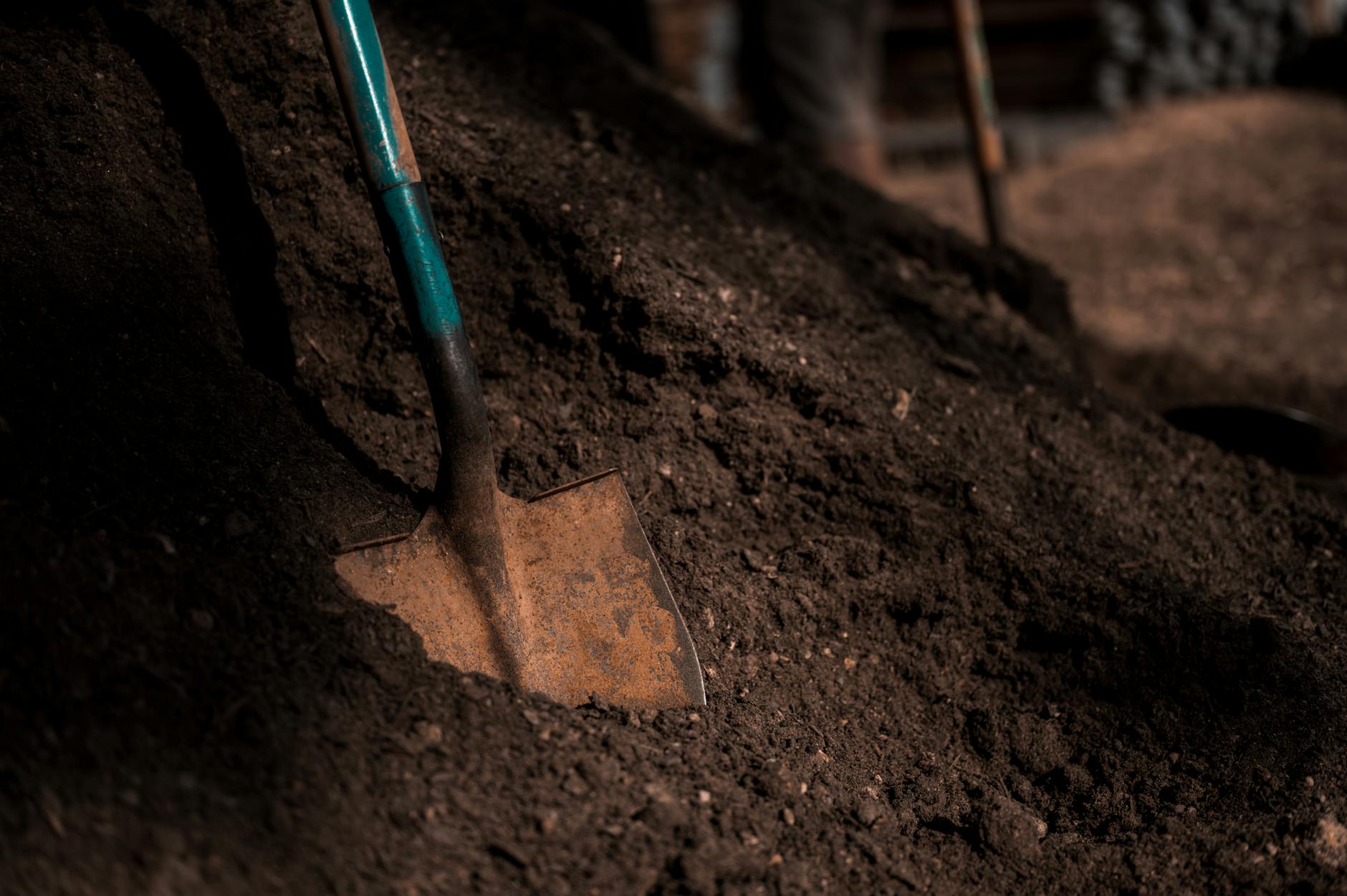
No one expects to find a body in their backyard, but when killers need to conceal a murder, they often hide the body close to home. Sometimes it works for decades, sometimes the bodies are found quickly. Buried in the Backyard features these types of murder cases.
The series focuses on backyards, where a body was found when a new owner moves in and remodels, or when the police get suspicious about a suspect the victim knew, or where the body was found on accident. Other episodes describe burials in fields, deserts, crawlspaces, wells, the woods, under snow, and other locations.
In many cases, investigators must first determine the identity of the victim or the cause of death, while in others, the person had missing for years or decades before the body was finally found.
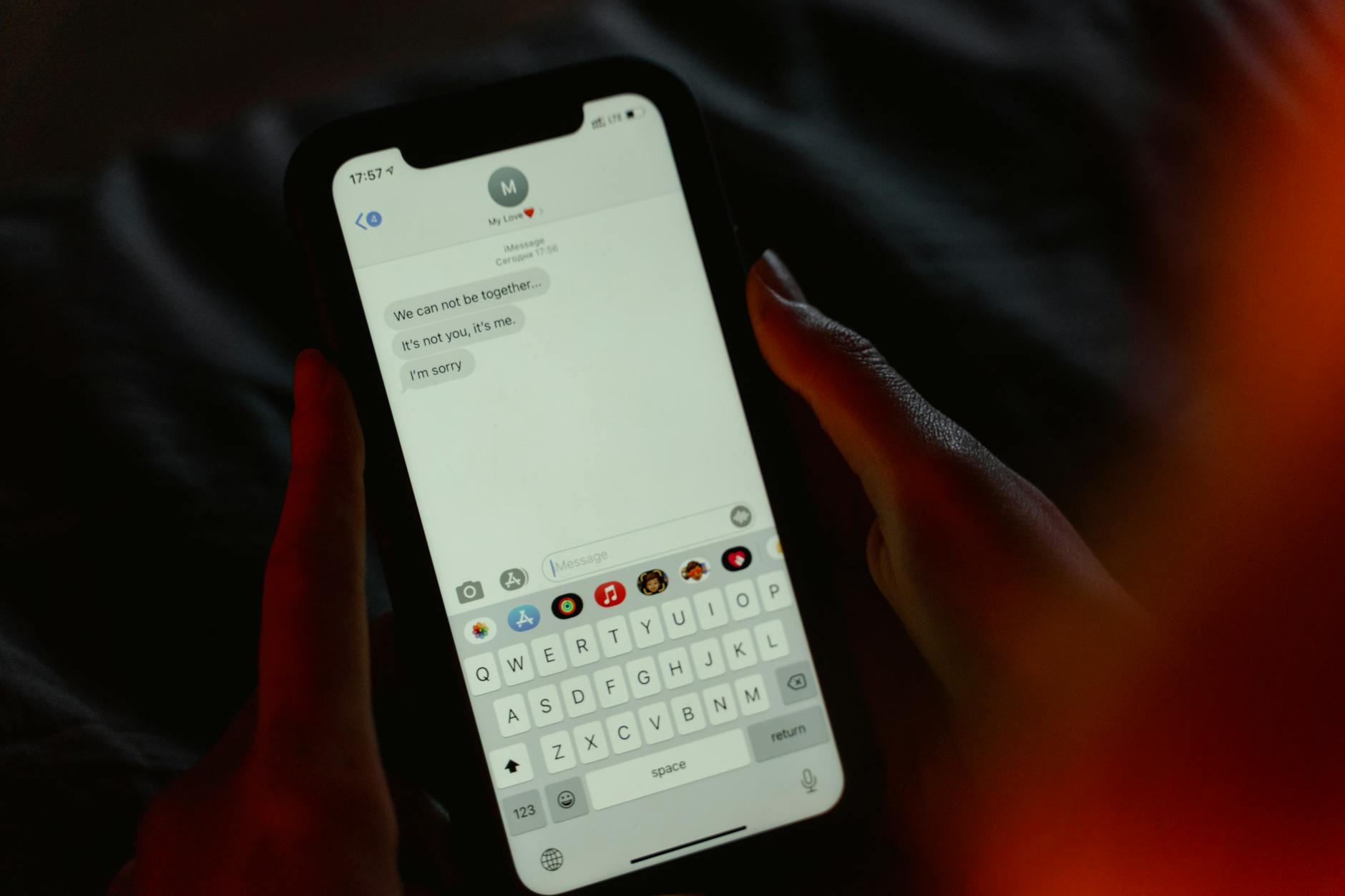
Texts go unanswered. She doesn’t return home. The worry starts. And so begins an episode of #TextMeWhenYouGetHome, which focuses on murders, kidnappings, sexual assaults, and attempted murders of women.
Narrated by Ashley Judd (beginning in the second season), the series grew out of the #TextMeWhenYouGetHome movement that began in 2021 after the murder of Sarah Everard in the UK, which brought awareness to the dangers and fear women face when alone, as well as the need for women to check in with each other.
In some episodes, survivors tell their stories, along with victims’ loved ones, who failed to hear back from their friend or family member when texting or calling. It’s a series focused on the harsh, and sometimes violent, reality of being a woman.
The Show Elements
Seasons: 2 (2022-2024)
Where to stream: Tubi, The Roku Channel, Hulu, Amazon Prime Video