A classic in the true crime genre, Forensic Files focuses on forensic investigations in crimes like homicide, sexual assault, bombings, and non-criminal deaths and medical mysteries. The show premiered in 1996, during a time when various forensic techniques emerged, particularly the explosion of DNA testing. The show is so classic that it was brought back as Forensic Files II in 2020.
Featuring shorter episodes (about 22 minutes each), Forensic Files describes specific cases using techniques like fingerprinting, DNA testing, bite mark analysis, soil testing, forensic botany, forensic acoustics, handwriting analysis, facial reconstruction, and many more. One of the show’s strengths is how it brings on forensic specialists who explain these techniques and the processes involved. They are joined by detectives investigating the crimes, and victim’s loved ones.
One notable episode (Season 11, Episode 22) features the murder of Kathleen Peterson (before the documentary The Staircase) and includes an interview with since-disgraced blood stain analyst Duane Deaver.
Warning: Crime scene photos in the show are sometimes graphic and unblurred.
The Show Elements
Seasons: 14 (1996-2011)
Where to stream: Tubi, The Roku Channel, Peacock, Hulu, Amazon Prime Video
Lethally Blonde looks like a show about cases involving blonde murderers, but in actuality, not all of the killers in its episodes are blonde, and not all of the episodes focus on the murderer. All of the cases, however, feature victims or killers who worked in the adult entertainment industry, from pornography and Only Fans, to exotic dancing and bikini modeling, work that influenced the eventual murders that occurred.
Perhaps executive producer Holly Madison (former Playboy model and producer ofThe Playboy Murders) wanted to follow up that show with even more salacious stories of sex and murder. Hence the title. But if you’re looking for a show that fits the literal meaning of the title and features only killer blondes, you’ll be disappointed. Some are killers, and some are victims. Some are blonde, some aren’t.
Madison provides commentary, as in The Playboy Murders, and detectives and victim’s loved ones recount the stories of the murders, investigations, and the careers that led to the crimes.
You might ask yourself, Are there really enough murders at sea for an entire true crime show? Believe it or not, there is more than one series in this niche. Cruise Ship Killers focuses on murders and other deaths that occurred on pleasure cruises or at their ports of call. Some of the deaths are suicides, some are unsolved disappearances, and some are actual homicides complicated by the fact that they occurred at sea, with investigations impacted by the complex legalities of a jurisdiction based on maritime law or the absence of a body.
Presented in a linear fashion, each episode follows the story from the reasons the victim went on the cruise, to their death or disappearance, to the investigation and trial, fictionalizing the stories to protect those involved and including pseudonyms for most episodes.
Cruise Ship Killers is a bit slow-paced, with languid narration, re-creations, and commentary from a stock group of experts, including crime writer J.H. Moncrieff, retired detective Damian Turner, and former medical examiner investigator Kim Witt. Some episodes include stories from the victims’ friends and family (Season 1 only), but with less focus on them than other shows, and only a few episodes include the investigators involved. The show is reminiscent of the relaxed style of Heartland Homicide.
The Show Elements
Seasons: 2 (2020-2022)
Where to stream: Tubi, Peacock, The Roku Channel, Amazon Prime Video
More shows like Cruise Ship Killers: Deadly Waters with Captain Lee, Dark Waters: Murder in the Deep, Dark Waters of Crime
A heartbreaking story of murder, told through social media
They’re everywhere on social media. Those videos of the perfect vacation, perfect family, perfect marriage. But reality hides behind the perfection, sometimes a dark reality covered up by posed photos and curated videos. Peacock’s new documentary TikTok Star Murders illustrates the imperfections hidden by viral social media videos and how a life can turn to darkness.
The documentary tells the story of the murder of Ana Abulaban by her husband Ali, as well as Ali’s murder of Ana’s friend Rayburn Barron. It documents Ali’s rise to fame on TikTok, the breakdown of his and Ana’s marriage—one filled with physical and emotional abuse and coercive control—culminating in the murders of Ana and Ray.
The film presents an intimate look at the shocking case and Ali and Ana’s troubled relationship, shown through many TikTok videos and photos from both Ali and Ana. To tell the story, Ana and Ali’s friends and family members are joined by reporters, investigators, attorneys, and a psychologist describing what happens in an abusive relationship and why it is so difficult for many victims to leave, and leave safely. Along with TikTok videos, the documentary includes video and audio recordings Ali made as the relationship broke down, the abuse Ana suffered, and even Ali’s audio of the murder itself, as well as interview excerpts with him in jail and clips from his trial.
It’s a horrifying depiction of domestic abuse, the fantasy of social media, the masks people wear, and how the pursuit of fame can drive a person’s life.
Evil Lives Here: The Killer Speaks extends the concept of the original Evil Lives Here to include the voices of the killers themselves. As with Evil Lives Here, family members of killers recount the signs they noticed that led up to the killer’s crimes, but in The Killer Speaks, they also ask their criminal family member about their crimes, seek the truth, and listen to the killer’s side of the story.
Producers of the show speak with the killers from prison, and some of these murderers come clean, while others don’t, holding steadfastly to their innocence or already disproved version of the story. Other killers contradict the stories their family members tell, further clouding the truth.
Similarly to Evil Lives Here, episodes relate the cases completely from one or two family members’ perspectives, rather than the murders or subsequent investigations, or the experiences of victims’ families.
The Show Elements
Seasons: 1 (2023-)
Where to stream: Discovery+, Hulu, Max
More shows like Evil Lives Here: The Killer Speaks: Evil Lives Here, The Devil You Know, I Lived with a Killer, I Am a Killer
Most true crime shows focus on investigations of murders, as told by detectives and victims’ loved ones. But if you’re looking for a different perspective on murder cases, check out Evil Lives Here, which gives voice to family members of murderers and perpetrators of other heinous crimes. Through heartbreaking descriptions, they detail stories of living with abusive spouses and parents, evil cult leaders, psychopathic children, and serial killers and rapists before, and sometimes during, their crimes. The show sheds light on how, sometimes, the killer’s family are also victims of their evil ways.
Some of these family members share the warning signs or abuse they experienced, and others recount stories about the pain the murders caused them or the difficulties raising a problematic child who turns into a criminal, especially when their appeals for help from law enforcement and mental health professionals go unanswered.
Episodes relate the stories completely from one or two family members’ perspectives and focus on their experiences and the signs they noticed, instead of the murders or subsequent investigations. And because the emphasis is squarely on these family members, episodes underscore their voices and so exclude narration. Adding to their stories, episodes include some police interviews and 911 calls.
Evil Lives Here is a shocking and emotional show that fills in the picture of a violent criminal’s life. Many episodes are tough to watch, but it is a quality show that is well worth it.
A stellar true crime show doesn’t just have compelling cases, it has attention-getting writing and a narrator with a voice and rhythm that can deliver that writing with panache. Most shows offer run-of-the mill narrators who possess a strong voice but don’t leave their mark on the genre. If the case is interesting enough, they’ll suffice, but sometimes you want to sink into the voice of a narrator who envelops you into the world of a case. If you’re the type who likes to listen to your true crime rather than watch, check out how these seven experts spin their tales.
1. Keith Morrison, Dateline
Keith Morrison isn’t just a narrator or interviewer, he’s a storyteller. He delivers the lines of a Datelineepisode like your favorite uncle telling a scary bedtime story (check out his tellings of “The Night Before Christmas” and other Christmas classics). His episode intros set the stage for murder cases that might not be that interesting by themselves, but he makes them so, very, interesting. He hits the words with just the right tone, inflecting his trademark creepiness just enough to compel you to listen.
Actors Paul Winfield and Keith David match the amazing writing of the original City Confidential with their fluid storytelling and strong voiceovers. Winfield’s voice sounds like a semi-distant relative of Morgan Freeman, and David’s sounds like a friend sharing an easy conversation over coffee. Before describing specific murder cases, each episode features an initial segment laying out the history of the city or town where they occurred, and Winfield and David make even the most podunk of towns intriguing.
Not afraid to include lightness and humor when appropriate, the classic series required voiceover actors who could step up to the plate and deliver the lines with precision. Winfield and David met that challenge. The show’s revival in 2021 brought on actor Mike Colter, who has a great voice but lacks the personality of Winfield and David, and the episodes fail to live up to the intriguing writing of the 1998-2005 episodes.
Paul Winfield narrating City Confidential
Keith David narrating City Confidential
4. Bill Kurtis, Cold Case Files and American Justice
Before retiring, Bill Kurtis had a long career as a journalist and news anchor, but his narration of true crime shows and documentaries doesn’t sound like a typical news reporter. Kurtis has a smooth, rich voice that keeps you listening while lulling you into stories revolving around cold cases and the criminal justice system. Kurtis’ voice alone is worth watching any show or documentary he narrates, but coupled with the amazing writing, it makes Cold Case Filesand American Justicemust-watch shows. Kurtis also narrates the series Cold Case Files: DNA Speaks.
Cold Case Files
American Justice
5. Stacy Keach, American Greed
Veteran actor Stacy Keach, known for the show Mike Hammer and many other television and film roles, brings his voice to another top-shelf show: American Greed. Keach relates stories of corruption, greed, and corporate and financial crimes like that grandfather who tells stories around the fireplace on a cold winter night. You’ll want to pull up a blanket and pillow and sink into the episodes.
American Greed
6. Christine Estabrook, Deadly Wives
Actress Christine Estabrook is another narrator who delivers the smart writing of a true crime show with just the right punch. Deadly Wives is a clever show that sometimes injects humorous asides about women who kill their spouses, and Estabrook knows just how to convey them. Wives kill their spouses, Estabrook narrates the cases, and her voice adds a hint of sarcasm—you can almost hear her rolling her eyes at the women’s mistakes and lies. It’s a shame the run of the show was so short.
Deadly Wives
7. Joe Alaskey, Murder Comes to Town
Murder Comes to Town, which focuses on murders in small towns, has two narrators who vary in style (Joe Alaskey and Anthony Call), but Alaskey wins the race for the creepier narration. He sounds like the voice-child of Paul Winfield and Vincent Price and delivers words like “murder” and “bloody corpse” with an electricity that sends a chill across the screen and up your spine. When Alaskey died in 2016, actor Anthony Call took over the narration, without the same creepy flair as Alaskey.
If you’ve ever wanted to hear about the motivations behind murders from the perpetrators themselves, then I Am a Killer is the show for you. It presents first-person accounts of people convicted of murders, who share their stories. Sometimes, they even own up to their crime.
Rather than investigating the mystery of who committed the murder, episodes start with the answer to that question and focus on the killer’s story first. Then, the victims’ families and friends share the impact of the murder on their lives, and detectives detail some parts of their investigations, but not as much as other true crime shows. Because I Am a Killer emphasizes first-person accounts, it doesn’t have narration, letting viewers hear the story from those involved firsthand.
While the show focuses more on the perpetrators’ stories, it is more balanced than the defendant-focused Accused: Guilty or Innocent? by incorporating the perspectives of victims’ loved ones.
It’s a fascinating look into the minds of killers and sheds light on the complicated nature of the stories people tell themselves when accused of a violent crime.
Hosted and narrated by Faith Jenkins, a former prosecutor who was also a judge on Divorce Court, Killer Relationship shares stories of relationships gone so wrong that they result in murder. Most of the cases are intimate partner homicides, but some involve other close relationships.
Jenkins provides a bit of commentary on some of the cases, drawing on her experience with domestic violence cases and on Divorce Court, and the show includes some police interviews and insight from victims’ family and friends. No trial clips, though, just foreboding stories of how some relationships, even seemingly stable ones, can end in murder.
If you’re a fan of Datelineand its spouse-did-it episodes, check out Killer Relationship.
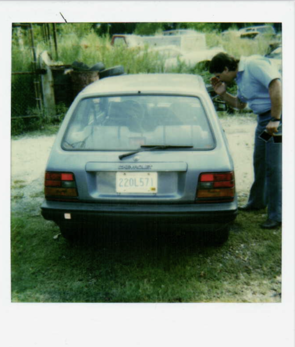
On August 23, 1987, Selonia Reed was found dead in her 1986 Chevrolet Sprint in a vacant lot at a local convenience store in Hammond, Louisiana. Her body was covered in lotion, and she had suffered blunt force trauma to her face, with multiple stab wounds to her body, including an umbrella between her legs.
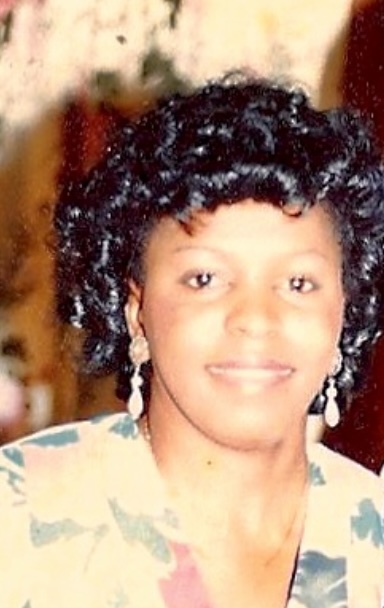
Selonia Reed is my mother.
The murder remained an unsolved cold case for over 30 years, shrouded in mystery and unanswered questions, until a cigarette butt was DNA tested and found to match an individual who was indicted as a co-defendant. Continuous investigation by law enforcement allowed the pieces of the puzzle to come together, ultimately leading to a shocking revelation—the connection to my own father, Reginald Reed Sr.
Nearly 40 years after the murder, on November 18, 2022, my father was found guilty of second-degree murder and is now serving life in prison for her death.
Writing a Memoir About My Mother’s Murder
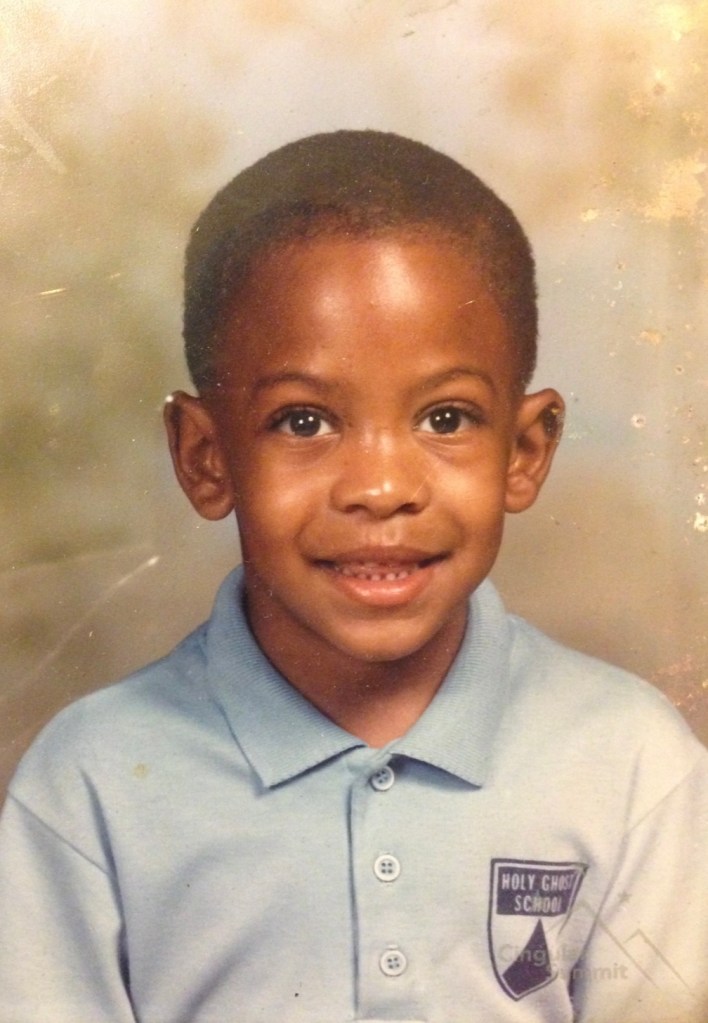
Only 6 years old when the crime occurred, I had to rely on my childhood memories while gathering evidence for my memoir about the murder, The Day My Mother Never Came Home. My memories from that time were fragmented and influenced by various factors, including my father’s narrative. My goal was closure, using available resources and corroborating evidence to construct an accurate portrayal of the events leading up to the crime. I also aimed for ethical storytelling based in sensitivity, empathy, and a commitment to truth and justice.
Reggie Reed Jr.
Every crime is a web of interconnected lives, each deserving of understanding and compassion, even in the face of unimaginable tragedy. Unlike a traditional journalism approach that prioritizes objectivity and detachment, my narrative is deeply personal, intertwined with my own emotions, experiences, and relationships. My closeness to the story compelled me to approach it with heightened sensitivity, recognizing the interconnected lives and human complexities behind the crime.
To write a true crime memoir about my mother’s murder, I had to delve into the depths of past events, piece together fragments of information, and unearth long-buried truths. Central to this endeavor was the task of requesting and collecting evidence from various law enforcement agencies, a journey marked by challenges, revelations, and profound shifts in perspective.
The Trail of Evidence in the Murder
Gathering evidence first involved submitting formal requests to relevant law enforcement agencies and speaking with a defense attorney. I had to navigate bureaucratic channels, understand legal protocols, and exercise patience as responses trickled in. Each request was accompanied by a detailed explanation of the information I was seeking, ranging from case files, to witness statements, to forensic reports and investigative notes. I waited for weeks—or even months—for law enforcement agencies to provide information, delaying my research and writing.
As the responses started to trickle in, I immersed myself in a sea of documents, each offering a glimpse into the intricate web of events that shaped the crime. Some documents corroborated what I already knew, providing additional context and depth to key moments in the story. Others, however, unveiled startling revelations and uncovered details that had eluded me until that point.
One startling document revealed several life insurance policies that were taken out over the year leading up to my mother’s death, and a couple that were initiated as soon as two weeks before the murder. This discovery raised suspicions about possible motives and connections to the crime that had not been previously considered. The document not only provided a new angle to the investigation but also highlighted the complexity of the case and the need to dig deeper into the financial aspects surrounding the crime.
I also came across previously undisclosed witness accounts that shed new light on the sequence of events leading up to the murder, challenged existing narratives, and led to a reevaluation of key suspects in the case. One witness provided a detailed description of a vehicle leaving the scene at an unusual hour, contradicting the initial timeline presented by other witnesses.
These discoveries reshaped my understanding of the events and the individuals involved. What I had once perceived as a straightforward narrative became a complex tapestry of intersecting lives, hidden agendas, and unforeseen consequences. It forced me to reevaluate my assumptions, question my interpretations, and embrace the nuances of human behavior in the face of adversity.
Another pivotal moment in the evidence-gathering process was the analysis of forensic reports. I had to familiarize myself with forensic terminology, understand the nuances of forensic analysis, and cross-check facts to ensure accuracy. These reports related to the crime scene, my mother’s injuries, and the potential motives behind the murder, reports that either contradicted or corroborated witness testimonies and suspect statements. I was skeptical when encountering conflicting information or discrepancies between witness testimonies and forensic findings, but the convergence of witness accounts, forensic evidence, and official reports painted a vivid picture of the crime, its aftermath, and the subsequent investigation.
The 1986 Chevrolet Sprint
The Emotional Impact of Reading Evidence About My Mother’s Case
As I discovered new information and grappled with its implications, I felt a range of emotions: shock, disbelief, anger, and empathy. The evidence humanized the individuals involved, reminding me of the inherent complexities of human nature and the capacity for both good and evil within us all.
I also encountered conflicting information that challenged my perceptions of my father’s guilt or innocence. Some evidence pointed toward motives or connections that could implicate him, and other information and witness accounts raised doubts or alternative explanations. I realized the need for a comprehensive and unbiased approach to understanding the motives and individuals involved in the crime, without jumping to conclusions or being influenced solely by my emotions or preconceived notions.
The journey of requesting and collecting evidence for my true crime memoir was a transformative experience marked by discovery, introspection, and emotional resonance. It challenged me to confront uncomfortable truths, navigate moral ambiguity, and honor the complexity of human stories. Ultimately, it reinforced my belief in the power of storytelling to illuminate truths, foster empathy, and inspire meaningful change.
Reginald L. Reed Jr. is an author and an accomplished professional in the pharmaceutical industry. He holds a master’s degree in business and global marketing. In his first book, The Day My Mother Never Came Home, Reed recalls the events surrounding the unsolved murder of his mother and the subsequent indictment and trial of his father, nearly 40 years later. His story will be featured in an episode of Fatal Attraction, releasing July 22, 2024. Visit rlreed.com to learn more.





 True Crime Docket